

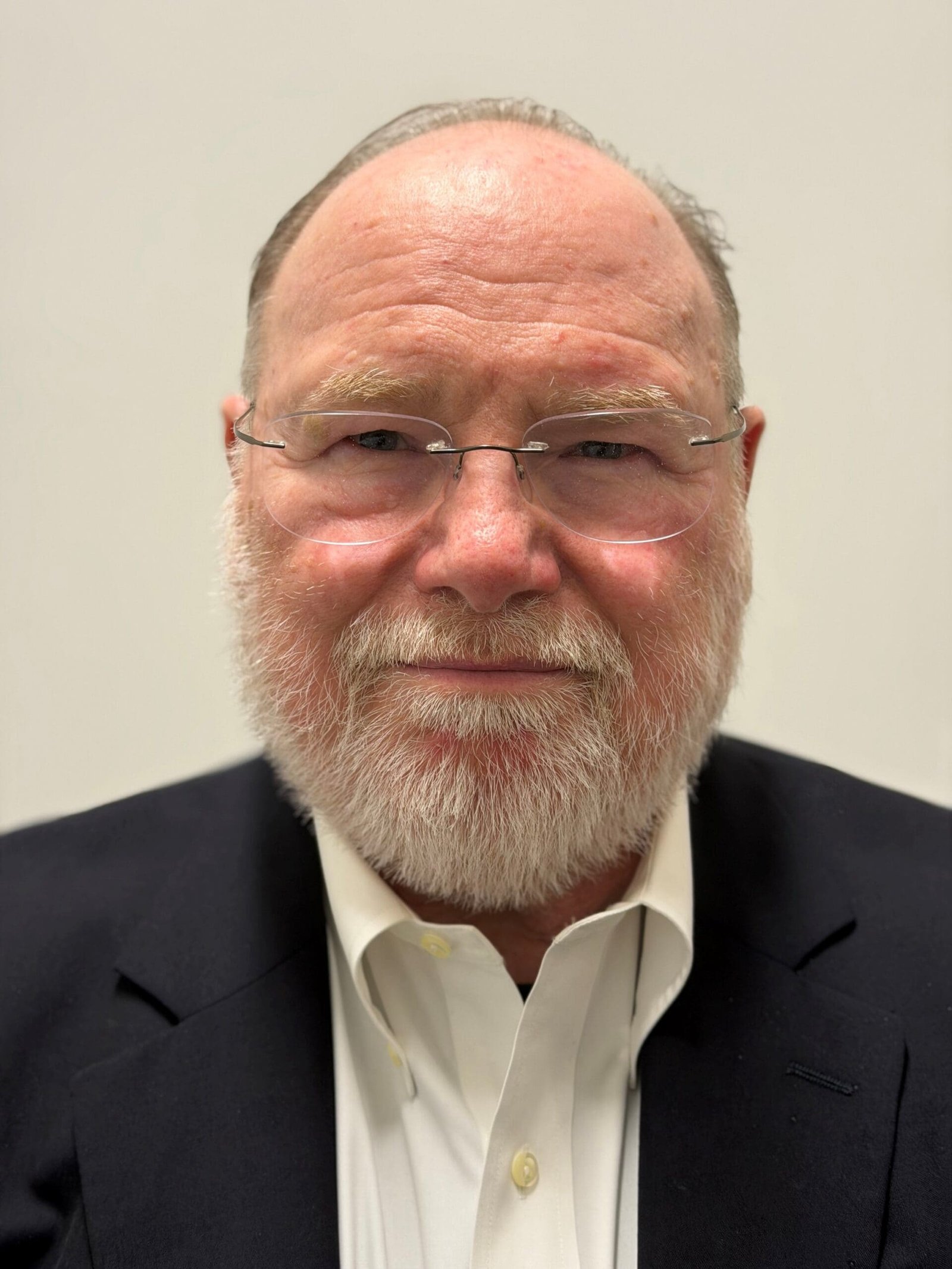
RONALD C. KESSLER
PhD · Harvard Medical School
Boston, Massachusetts, USA
Boston, Massachusetts, USA
Psychiatric Epidemiology
Mental Health Surveys
Population Burden
Precision Psychiatry
Suicide Prevention
Abstract
Ronald C. Kessler: Elucidating the population burden of mental disorders
Widely recognized as the world's most published and influential psychiatric epidemiologist, Dr. Ronald C. Kessler is the McNeil Family Professor of Health Care Policy at Harvard Medical School, with secondary appointments as Professor of Epidemiology at the Harvard T.H. Chan School of Public Health, Program Director at the University of Michigan Institute for Social Research, and at the Massachusetts General Hospital Center for Precision Psychiatry. Known for leading major national and global epidemiological surveys on the population prevalence and correlates of mental disorders, he has transformed how the field understands the burden, distribution, and treatment of common mental illnesses and suicide-related behaviors. Dr. Kessler was the Principal Investigator of the US National Comorbidity Survey, the first nationally representative survey of mental disorders in the United States, and a series of follow-up and replication studies that have mapped changes in mental health and service use over time. For two decades, he served as Director of the World Health Organization World Mental Health Survey Initiative, a program of community surveys in over 30 countries that has provided the empirical foundation for national mental health policies and resource allocation decisions worldwide. Building on this foundation, his more recent work extends into high-risk populations through large-scale studies such as the Army STARRS and STARRS-LS initiatives. Dr. Kessler is the most cited author in psychiatry and psychology worldwide, with more than 1,300 scientific publications, cited over 330,000 times; h-index: 271 (Scopus), 354 (Google Scholar, January 2026). He has been a pioneer in the use of sophisticated methods for conducting and analyzing general population psychiatric epidemiologic surveys. In recent years, he has extended this work to implement clinical epidemiologic surveys, use these surveys to develop clinical decision support tools, and conduct pragmatic precision treatment trials to assess the value of these clinical decision support tools to prevent and treat depression, anxiety, and suicide. Dr. Kessler's achievements have been recognized with election to the National Academy of Sciences, the National Academy of Medicine, and the American Academy of Arts and Sciences. This Genomic Press Interview offers an in-depth look at the trajectory, methods, and vision of a scientist whose work has reshaped modern psychiatric and mental health epidemiology and the global conversation about mental health.
For more information on Dr. Kessler’s life and career, read his Genomic Press Interview.
RONALD C. KESSLER
Elucidating the Population Burden of Mental Disorders
Surveyed
30+ Countries
1,300+
Publications
330K+
Citations
271
H-Index
#1
Most Cited in Psychiatry & Psychology
01
Foundations of Research
National Comorbidity Survey
- First nationally representative survey of DSM disorders worldwide
- Pioneered CIDI methodology with Max Planck Institute
- Revealed massive undertreatment of mental disorders
- Retrospective life-course analysis of early-onset comorbidity
02
Global Reach & Leadership
World Mental Health Survey Initiative
- Largest coordinated psychiatric epidemiology consortium ever assembled
- Standardized cross-cultural mental health assessment
- Direct influence on WHO policy and national health planning
- Eight themed volumes published by Cambridge University Press
03
Current Frontiers
Precision & Prevention
- SAFEGUARD Initiative: Suicide prevention in U.S. Army
- University mental health transformation via Menssano LLC
- Hybrid probability-panel survey innovation
- Clinical decision support tools at scale
04
Vision for Science
Future Directions
- Broaden DEI to address social class and early-life interventions
- Strengthen community college pathways
- Establish continuous mental health tracking systems
- Scale precision psychiatry for global policy impact
Do the best you can, with the evidence you have, in the service of others.
Dogged Curiosity
Methodological Rigor
Interdisciplinary Collaboration